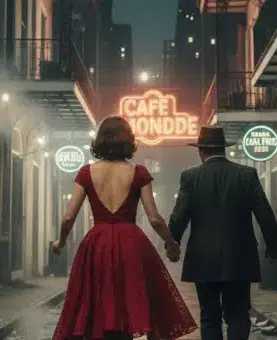

Subtitles interfere with that speed. They introduce a secondary authority at the bottom of the frame, a running strip of managerial text that keeps whispering: here is what was said, here is what matters, here is the line, do not worry, we have pre processed the moment for you. Even when the viewer reads quickly, the eye performs a commute. Down, up. Down, up. Sentence, face. Sentence, gesture. Sentence, composition. That commute has a cost. It chops the image into errands. It breaks the spell into little acts of clerical labor. The frame stops feeling like a territory to explore and starts functioning like packaging for dialogue. The movie survives, plenty of feeling survives, plenty of plot survives, but something in the organic continuity gets scraped raw.
People defend this by saying they “understand better” with subtitles. Better in what sense? Better as transcript retention, maybe. Better as event registration, maybe. Better as surrender to image, tempo, implication, atmosphere, less so. The issue here reaches past preference and enters training. We live inside systems that reward constant textual mediation. Phone culture floods the senses with captioned clips, floating commentary, reaction text, labels, auto summaries, context bubbles, algorithmic spoon feeding. Every experience arrives already interpreted. The eye has become a grazing animal in a pasture of prompts. It scans, extracts, confirms, moves on. This is a very different discipline from sitting in the dark and letting the frame teach you how to see it.
That habit changes the viewer. It produces a person who feels uneasy around ambiguity, who experiences uncaptained perception as stress. The unsubtitled scene becomes work. The viewer has to infer. They have to lean forward. They have to gather intention from cadence and body language and blocking and the ancient animal literacy that human beings possessed long before they could write down a line of dialogue. Plenty of people no longer enjoy this labor because contemporary interfaces have spent years removing it from ordinary life. Everything now arrives with a caption, a label, a headline, a tutorial, a sentiment score. Even outrage gets subtitles now. Especially outrage. So when a film asks the viewer to meet it halfway, the request lands like deprivation. The movie feels withholding. In truth the movie is merely asking for participation, and participation has become exotic.
People defend this by saying they “understand better” with subtitles. Better in what sense? Better as transcript retention, maybe. Better as event registration, maybe. Better as surrender to image, tempo, implication, atmosphere, less so. The issue here reaches past preference and enters training. We live inside systems that reward constant textual mediation. Phone culture floods the senses with captioned clips, floating commentary, reaction text, labels, auto summaries, context bubbles, algorithmic spoon feeding. Every experience arrives already interpreted. The eye has become a grazing animal in a pasture of prompts. It scans, extracts, confirms, moves on. This is a very different discipline from sitting in the dark and letting the frame teach you how to see it.
That habit changes the viewer. It produces a person who feels uneasy around ambiguity, who experiences uncaptained perception as stress. The unsubtitled scene becomes work. The viewer has to infer. They have to lean forward. They have to gather intention from cadence and body language and blocking and the ancient animal literacy that human beings possessed long before they could write down a line of dialogue. Plenty of people no longer enjoy this labor because contemporary interfaces have spent years removing it from ordinary life. Everything now arrives with a caption, a label, a headline, a tutorial, a sentiment score. Even outrage gets subtitles now. Especially outrage. So when a film asks the viewer to meet it halfway, the request lands like deprivation. The movie feels withholding. In truth the movie is merely asking for participation, and participation has become exotic.People defend this by saying they “understand better” with subtitles. Better in what sense? Better as transcript retention, maybe. Better as event registration, maybe. Better as surrender to image, tempo, implication, atmosphere, less so. The issue here reaches past preference and enters training. We live inside systems that reward constant textual mediation. Phone culture floods the senses with captioned clips, floating commentary, reaction text, labels, auto summaries, context bubbles, algorithmic spoon feeding. Every experience arrives already interpreted. The eye has become a grazing animal in a pasture of prompts. It scans, extracts, confirms, moves on. This is a very different discipline from sitting in the dark and letting the frame teach you how to see it.
That habit changes the viewer. It produces a person who feels uneasy around ambiguity, who experiences uncaptained perception as stress. The unsubtitled scene becomes work. The viewer has to infer. They have to lean forward. They have to gather intention from cadence and body language and blocking and the ancient animal literacy that human beings possessed long before they could write down a line of dialogue. Plenty of people no longer enjoy this labor because contemporary interfaces have spent years removing it from ordinary life. Everything now arrives with a caption, a label, a headline, a tutorial, a sentiment score. Even outrage gets subtitles now. Especially outrage. So when a film asks the viewer to meet it halfway, the request lands like deprivation. The movie feels withholding. In truth the movie is merely asking for participation, and participation has become exotic.People defend this by saying they “understand better” with subtitles. Better in what sense? Better as transcript retention, maybe. Better as event registration, maybe. Better as surrender to image, tempo, implication, atmosphere, less so. The issue here reaches past preference and enters training. We live inside systems that reward constant textual mediation. Phone culture floods the senses with captioned clips, floating commentary, reaction text, labels, auto summaries, context bubbles, algorithmic spoon feeding. Every experience arrives already interpreted. The eye has become a grazing animal in a pasture of prompts. It scans, extracts, confirms, moves on. This is a very different discipline from sitting in the dark and letting the frame teach you how to see it.
That habit changes the viewer. It produces a person who feels uneasy around ambiguity, who experiences uncaptained perception as stress. The unsubtitled scene becomes work. The viewer has to infer. They have to lean forward. They have to gather intention from cadence and body language and blocking and the ancient animal literacy that human beings possessed long before they could write down a line of dialogue. Plenty of people no longer enjoy this labor because contemporary interfaces have spent years removing it from ordinary life. Everything now arrives with a caption, a label, a headline, a tutorial, a sentiment score. Even outrage gets subtitles now. Especially outrage. So when a film asks the viewer to meet it halfway, the request lands like deprivation. The movie feels withholding. In truth the movie is merely asking for participation, and participation has become exotic.People defend this by saying they “understand better” with subtitles. Better in what sense? Better as transcript retention, maybe. Better as event registration, maybe. Better as surrender to image, tempo, implication, atmosphere, less so. The issue here reaches past preference and enters training. We live inside systems that reward constant textual mediation. Phone culture floods the senses with captioned clips, floating commentary, reaction text, labels, auto summaries, context bubbles, algorithmic spoon feeding. Every experience arrives already interpreted. The eye has become a grazing animal in a pasture of prompts. It scans, extracts, confirms, moves on. This is a very different discipline from sitting in the dark and letting the frame teach you how to see it.
That habit changes the viewer. It produces a person who feels uneasy around ambiguity, who experiences uncaptained perception as stress. The unsubtitled scene becomes work. The viewer has to infer. They have to lean forward. They have to gather intention from cadence and body language and blocking and the ancient animal literacy that human beings possessed long before they could write down a line of dialogue. Plenty of people no longer enjoy this labor because contemporary interfaces have spent years removing it from ordinary life. Everything now arrives with a caption, a label, a headline, a tutorial, a sentiment score. Even outrage gets subtitles now. Especially outrage. So when a film asks the viewer to meet it halfway, the request lands like deprivation. The movie feels withholding. In truth the movie is merely asking for participation, and participation has become exotic.People defend this by saying they “understand better” with subtitles. Better in what sense? Better as transcript retention, maybe. Better as event registration, maybe. Better as surrender to image, tempo, implication, atmosphere, less so. The issue here reaches past preference and enters training. We live inside systems that reward constant textual mediation. Phone culture floods the senses with captioned clips, floating commentary, reaction text, labels, auto summaries, context bubbles, algorithmic spoon feeding. Every experience arrives already interpreted. The eye has become a grazing animal in a pasture of prompts. It scans, extracts, confirms, moves on. This is a very different discipline from sitting in the dark and letting the frame teach you how to see it.
That habit changes the viewer. It produces a person who feels uneasy around ambiguity, who experiences uncaptained perception as stress. The unsubtitled scene becomes work. The viewer has to infer. They have to lean forward. They have to gather intention from cadence and body language and blocking and the ancient animal literacy that human beings possessed long before they could write down a line of dialogue. Plenty of people no longer enjoy this labor because contemporary interfaces have spent years removing it from ordinary life. Everything now arrives with a caption, a label, a headline, a tutorial, a sentiment score. Even outrage gets subtitles now. Especially outrage. So when a film asks the viewer to meet it halfway, the request lands like deprivation. The movie feels withholding. In truth the movie is merely asking for participation, and participation has become exotic.People defend this by saying they “understand better” with subtitles. Better in what sense? Better as transcript retention, maybe. Better as event registration, maybe. Better as surrender to image, tempo, implication, atmosphere, less so. The issue here reaches past preference and enters training. We live inside systems that reward constant textual mediation. Phone culture floods the senses with captioned clips, floating commentary, reaction text, labels, auto summaries, context bubbles, algorithmic spoon feeding. Every experience arrives already interpreted. The eye has become a grazing animal in a pasture of prompts. It scans, extracts, confirms, moves on. This is a very different discipline from sitting in the dark and letting the frame teach you how to see it.
That habit changes the viewer. It produces a person who feels uneasy around ambiguity, who experiences uncaptained perception as stress. The unsubtitled scene becomes work. The viewer has to infer. They have to lean forward. They have to gather intention from cadence and body language and blocking and the ancient animal literacy that human beings possessed long before they could write down a line of dialogue. Plenty of people no longer enjoy this labor because contemporary interfaces have spent years removing it from ordinary life. Everything now arrives with a caption, a label, a headline, a tutorial, a sentiment score. Even outrage gets subtitles now. Especially outrage. So when a film asks the viewer to meet it halfway, the request lands like deprivation. The movie feels withholding. In truth the movie is merely asking for participation, and participation has become exotic.People defend this by saying they “understand better” with subtitles. Better in what sense? Better as transcript retention, maybe. Better as event registration, maybe. Better as surrender to image, tempo, implication, atmosphere, less so. The issue here reaches past preference and enters training. We live inside systems that reward constant textual mediation. Phone culture floods the senses with captioned clips, floating commentary, reaction text, labels, auto summaries, context bubbles, algorithmic spoon feeding. Every experience arrives already interpreted. The eye has become a grazing animal in a pasture of prompts. It scans, extracts, confirms, moves on. This is a very different discipline from sitting in the dark and letting the frame teach you how to see it.
That habit changes the viewer. It produces a person who feels uneasy around ambiguity, who experiences uncaptained perception as stress. The unsubtitled scene becomes work. The viewer has to infer. They have to lean forward. They have to gather intention from cadence and body language and blocking and the ancient animal literacy that human beings possessed long before they could write down a line of dialogue. Plenty of people no longer enjoy this labor because contemporary interfaces have spent years removing it from ordinary life. Everything now arrives with a caption, a label, a headline, a tutorial, a sentiment score. Even outrage gets subtitles now. Especially outrage. So when a film asks the viewer to meet it halfway, the request lands like deprivation. The movie feels withholding. In truth the movie is merely asking for participation, and participation has become exotic.People defend this by saying they “understand better” with subtitles. Better in what sense? Better as transcript retention, maybe. Better as event registration, maybe. Better as surrender to image, tempo, implication, atmosphere, less so. The issue here reaches past preference and enters training. We live inside systems that reward constant textual mediation. Phone culture floods the senses with captioned clips, floating commentary, reaction text, labels, auto summaries, context bubbles, algorithmic spoon feeding. Every experience arrives already interpreted. The eye has become a grazing animal in a pasture of prompts. It scans, extracts, confirms, moves on. This is a very different discipline from sitting in the dark and letting the frame teach you how to see it.
That habit changes the viewer. It produces a person who feels uneasy around ambiguity, who experiences uncaptained perception as stress. The unsubtitled scene becomes work. The viewer has to infer. They have to lean forward. They have to gather intention from cadence and body language and blocking and the ancient animal literacy that human beings possessed long before they could write down a line of dialogue. Plenty of people no longer enjoy this labor because contemporary interfaces have spent years removing it from ordinary life. Everything now arrives with a caption, a label, a headline, a tutorial, a sentiment score. Even outrage gets subtitles now. Especially outrage. So when a film asks the viewer to meet it halfway, the request lands like deprivation. The movie feels withholding. In truth the movie is merely asking for participation, and participation has become exotic.People defend this by saying they “understand better” with subtitles. Better in what sense? Better as transcript retention, maybe. Better as event registration, maybe. Better as surrender to image, tempo, implication, atmosphere, less so. The issue here reaches past preference and enters training. We live inside systems that reward constant textual mediation. Phone culture floods the senses with captioned clips, floating commentary, reaction text, labels, auto summaries, context bubbles, algorithmic spoon feeding. Every experience arrives already interpreted. The eye has become a grazing animal in a pasture of prompts. It scans, extracts, confirms, moves on. This is a very different discipline from sitting in the dark and letting the frame teach you how to see it.
That habit changes the viewer. It produces a person who feels uneasy around ambiguity, who experiences uncaptained perception as stress. The unsubtitled scene becomes work. The viewer has to infer. They have to lean forward. They have to gather intention from cadence and body language and blocking and the ancient animal literacy that human beings possessed long before they could write down a line of dialogue. Plenty of people no longer enjoy this labor because contemporary interfaces have spent years removing it from ordinary life. Everything now arrives with a caption, a label, a headline, a tutorial, a sentiment score. Even outrage gets subtitles now. Especially outrage. So when a film asks the viewer to meet it halfway, the request lands like deprivation. The movie feels withholding. In truth the movie is merely asking for participation, and participation has become exotic.People defend this by saying they “understand better” with subtitles. Better in what sense? Better as transcript retention, maybe. Better as event registration, maybe. Better as surrender to image, tempo, implication, atmosphere, less so. The issue here reaches past preference and enters training. We live inside systems that reward constant textual mediation. Phone culture floods the senses with captioned clips, floating commentary, reaction text, labels, auto summaries, context bubbles, algorithmic spoon feeding. Every experience arrives already interpreted. The eye has become a grazing animal in a pasture of prompts. It scans, extracts, confirms, moves on. This is a very different discipline from sitting in the dark and letting the frame teach you how to see it.
That habit changes the viewer. It produces a person who feels uneasy around ambiguity, who experiences uncaptained perception as stress. The unsubtitled scene becomes work. The viewer has to infer. They have to lean forward. They have to gather intention from cadence and body language and blocking and the ancient animal literacy that human beings possessed long before they could write down a line of dialogue. Plenty of people no longer enjoy this labor because contemporary interfaces have spent years removing it from ordinary life. Everything now arrives with a caption, a label, a headline, a tutorial, a sentiment score. Even outrage gets subtitles now. Especially outrage. So when a film asks the viewer to meet it halfway, the request lands like deprivation. The movie feels withholding. In truth the movie is merely asking for participation, and participation has become exotic.People defend this by saying they “understand better” with subtitles. Better in what sense? Better as transcript retention, maybe. Better as event registration, maybe. Better as surrender to image, tempo, implication, atmosphere, less so. The issue here reaches past preference and enters training. We live inside systems that reward constant textual mediation. Phone culture floods the senses with captioned clips, floating commentary, reaction text, labels, auto summaries, context bubbles, algorithmic spoon feeding. Every experience arrives already interpreted. The eye has become a grazing animal in a pasture of prompts. It scans, extracts, confirms, moves on. This is a very different discipline from sitting in the dark and letting the frame teach you how to see it.
That habit changes the viewer. It produces a person who feels uneasy around ambiguity, who experiences uncaptained perception as stress. The unsubtitled scene becomes work. The viewer has to infer. They have to lean forward. They have to gather intention from cadence and body language and blocking and the ancient animal literacy that human beings possessed long before they could write down a line of dialogue. Plenty of people no longer enjoy this labor because contemporary interfaces have spent years removing it from ordinary life. Everything now arrives with a caption, a label, a headline, a tutorial, a sentiment score. Even outrage gets subtitles now. Especially outrage. So when a film asks the viewer to meet it halfway, the request lands like deprivation. The movie feels withholding. In truth the movie is merely asking for participation, and participation has become exotic.People defend this by saying they “understand better” with subtitles. Better in what sense? Better as transcript retention, maybe. Better as event registration, maybe. Better as surrender to image, tempo, implication, atmosphere, less so. The issue here reaches past preference and enters training. We live inside systems that reward constant textual mediation. Phone culture floods the senses with captioned clips, floating commentary, reaction text, labels, auto summaries, context bubbles, algorithmic spoon feeding. Every experience arrives already interpreted. The eye has become a grazing animal in a pasture of prompts. It scans, extracts, confirms, moves on. This is a very different discipline from sitting in the dark and letting the frame teach you how to see it.
That habit changes the viewer. It produces a person who feels uneasy around ambiguity, who experiences uncaptained perception as stress. The unsubtitled scene becomes work. The viewer has to infer. They have to lean forward. They have to gather intention from cadence and body language and blocking and the ancient animal literacy that human beings possessed long before they could write down a line of dialogue. Plenty of people no longer enjoy this labor because contemporary interfaces have spent years removing it from ordinary life. Everything now arrives with a caption, a label, a headline, a tutorial, a sentiment score. Even outrage gets subtitles now. Especially outrage. So when a film asks the viewer to meet it halfway, the request lands like deprivation. The movie feels withholding. In truth the movie is merely asking for participation, and participation has become exotic.People defend this by saying they “understand better” with subtitles. Better in what sense? Better as transcript retention, maybe. Better as event registration, maybe. Better as surrender to image, tempo, implication, atmosphere, less so. The issue here reaches past preference and enters training. We live inside systems that reward constant textual mediation. Phone culture floods the senses with captioned clips, floating commentary, reaction text, labels, auto summaries, context bubbles, algorithmic spoon feeding. Every experience arrives already interpreted. The eye has become a grazing animal in a pasture of prompts. It scans, extracts, confirms, moves on. This is a very different discipline from sitting in the dark and letting the frame teach you how to see it.
That habit changes the viewer. It produces a person who feels uneasy around ambiguity, who experiences uncaptained perception as stress. The unsubtitled scene becomes work. The viewer has to infer. They have to lean forward. They have to gather intention from cadence and body language and blocking and the ancient animal literacy that human beings possessed long before they could write down a line of dialogue. Plenty of people no longer enjoy this labor because contemporary interfaces have spent years removing it from ordinary life. Everything now arrives with a caption, a label, a headline, a tutorial, a sentiment score. Even outrage gets subtitles now. Especially outrage. So when a film asks the viewer to meet it halfway, the request lands like deprivation. The movie feels withholding. In truth the movie is merely asking for participation, and participation has become exotic.People defend this by saying they “understand better” with subtitles. Better in what sense? Better as transcript retention, maybe. Better as event registration, maybe. Better as surrender to image, tempo, implication, atmosphere, less so. The issue here reaches past preference and enters training. We live inside systems that reward constant textual mediation. Phone culture floods the senses with captioned clips, floating commentary, reaction text, labels, auto summaries, context bubbles, algorithmic spoon feeding. Every experience arrives already interpreted. The eye has become a grazing animal in a pasture of prompts. It scans, extracts, confirms, moves on. This is a very different discipline from sitting in the dark and letting the frame teach you how to see it.
That habit changes the viewer. It produces a person who feels uneasy around ambiguity, who experiences uncaptained perception as stress. The unsubtitled scene becomes work. The viewer has to infer. They have to lean forward. They have to gather intention from cadence and body language and blocking and the ancient animal literacy that human beings possessed long before they could write down a line of dialogue. Plenty of people no longer enjoy this labor because contemporary interfaces have spent years removing it from ordinary life. Everything now arrives with a caption, a label, a headline, a tutorial, a sentiment score. Even outrage gets subtitles now. Especially outrage. So when a film asks the viewer to meet it halfway, the request lands like deprivation. The movie feels withholding. In truth the movie is merely asking for participation, and participation has become exotic.People defend this by saying they “understand better” with subtitles. Better in what sense? Better as transcript retention, maybe. Better as event registration, maybe. Better as surrender to image, tempo, implication, atmosphere, less so. The issue here reaches past preference and enters training. We live inside systems that reward constant textual mediation. Phone culture floods the senses with captioned clips, floating commentary, reaction text, labels, auto summaries, context bubbles, algorithmic spoon feeding. Every experience arrives already interpreted. The eye has become a grazing animal in a pasture of prompts. It scans, extracts, confirms, moves on. This is a very different discipline from sitting in the dark and letting the frame teach you how to see it.
That habit changes the viewer. It produces a person who feels uneasy around ambiguity, who experiences uncaptained perception as stress. The unsubtitled scene becomes work. The viewer has to infer. They have to lean forward. They have to gather intention from cadence and body language and blocking and the ancient animal literacy that human beings possessed long before they could write down a line of dialogue. Plenty of people no longer enjoy this labor because contemporary interfaces have spent years removing it from ordinary life. Everything now arrives with a caption, a label, a headline, a tutorial, a sentiment score. Even outrage gets subtitles now. Especially outrage. So when a film asks the viewer to meet it halfway, the request lands like deprivation. The movie feels withholding. In truth the movie is merely asking for participation, and participation has become exotic.People defend this by saying they “understand better” with subtitles. Better in what sense? Better as transcript retention, maybe. Better as event registration, maybe. Better as surrender to image, tempo, implication, atmosphere, less so. The issue here reaches past preference and enters training. We live inside systems that reward constant textual mediation. Phone culture floods the senses with captioned clips, floating commentary, reaction text, labels, auto summaries, context bubbles, algorithmic spoon feeding. Every experience arrives already interpreted. The eye has become a grazing animal in a pasture of prompts. It scans, extracts, confirms, moves on. This is a very different discipline from sitting in the dark and letting the frame teach you how to see it.
That habit changes the viewer. It produces a person who feels uneasy around ambiguity, who experiences uncaptained perception as stress. The unsubtitled scene becomes work. The viewer has to infer. They have to lean forward. They have to gather intention from cadence and body language and blocking and the ancient animal literacy that human beings possessed long before they could write down a line of dialogue. Plenty of people no longer enjoy this labor because contemporary interfaces have spent years removing it from ordinary life. Everything now arrives with a caption, a label, a headline, a tutorial, a sentiment score. Even outrage gets subtitles now. Especially outrage. So when a film asks the viewer to meet it halfway, the request lands like deprivation. The movie feels withholding. In truth the movie is merely asking for participation, and participation has become exotic.People defend this by saying they “understand better” with subtitles. Better in what sense? Better as transcript retention, maybe. Better as event registration, maybe. Better as surrender to image, tempo, implication, atmosphere, less so. The issue here reaches past preference and enters training. We live inside systems that reward constant textual mediation. Phone culture floods the senses with captioned clips, floating commentary, reaction text, labels, auto summaries, context bubbles, algorithmic spoon feeding. Every experience arrives already interpreted. The eye has become a grazing animal in a pasture of prompts. It scans, extracts, confirms, moves on. This is a very different discipline from sitting in the dark and letting the frame teach you how to see it.
That habit changes the viewer. It produces a person who feels uneasy around ambiguity, who experiences uncaptained perception as stress. The unsubtitled scene becomes work. The viewer has to infer. They have to lean forward. They have to gather intention from cadence and body language and blocking and the ancient animal literacy that human beings possessed long before they could write down a line of dialogue. Plenty of people no longer enjoy this labor because contemporary interfaces have spent years removing it from ordinary life. Everything now arrives with a caption, a label, a headline, a tutorial, a sentiment score. Even outrage gets subtitles now. Especially outrage. So when a film asks the viewer to meet it halfway, the request lands like deprivation. The movie feels withholding. In truth the movie is merely asking for participation, and participation has become exotic.
LIGHT
Be the first to boost its visibility.
